
Best Cars Under £5,000 in the UK (2026): 11 Reliable Used Picks (and What to Check)
A £5,000 budget can still get you a dependable used car in the UK if you choose the right model and the right example. At this price, condition and history matter more than age. The goal isn’t to find the cheapest advert; it’s to find a well-maintained car with a clean MOT story, sensible running costs, and no paperwork surprises.
This guide lists 11 strong choices that are commonly good value under £5,000 in the UK. For each car, you’ll see who it suits, what to check, and quick pros/cons.
How we picked these cars under £5,000
These are models that tend to work well for real UK driving commutes, school runs, A-roads, and the odd motorway journey while staying relatively predictable to own. Availability matters too: cars that are common are usually easier and cheaper to service and repair.
A quick reliability note: Toyota is usually very reliable when maintained, and the same is often true for many Japanese brands (including Honda and Mazda). That doesn’t mean every example is perfect history and condition still decide whether a specific car is a good buy.
The most important rule at £5,000: buy the best example, not the best badge
Two identical models can be totally different buys depending on how they’ve been looked after. If you’re choosing between a cheaper car with vague history and repeated MOT advisories, versus a slightly pricier car with clear servicing and a cleaner MOT story, the second option is usually the better value long-term.
1) Honda Jazz (2009–2015)
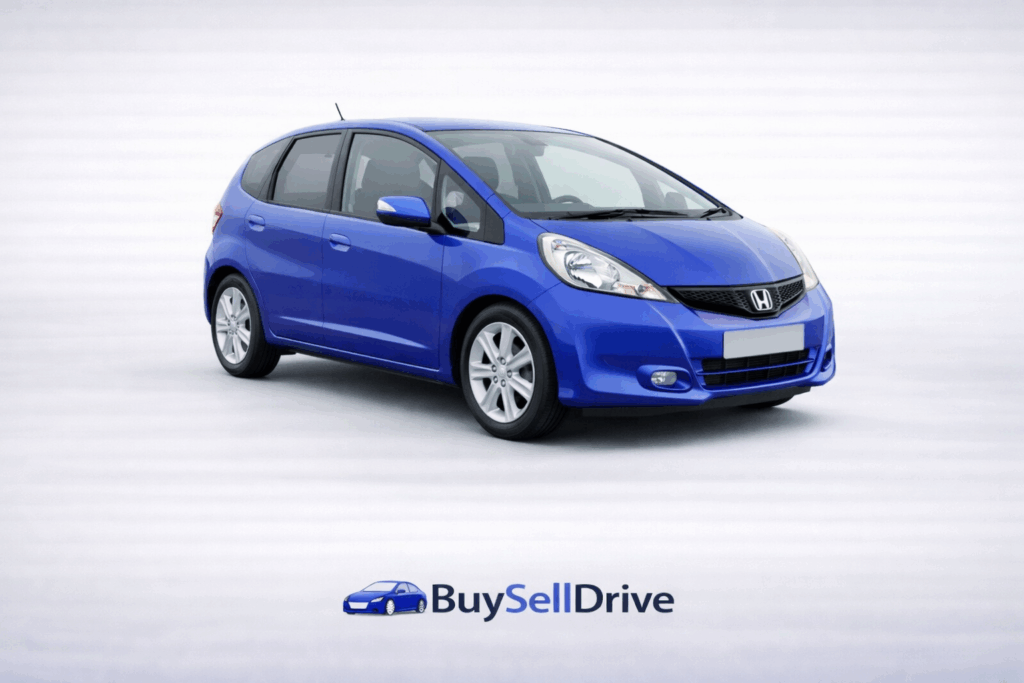
The Jazz is one of the safest “buy with your head” options under £5,000. It’s small on the outside but genuinely practical inside, and it’s often a strong choice for low-stress ownership.
Best for: town driving, new drivers who want reliability, anyone needing surprising space for a small car.
What to check: service history consistency; clutch bite on manuals; suspension knocks over bumps; signs of water leaks in the boot/spare wheel well.
Pros: Usually very reliable; practical interior and boot for the size; easy to drive and park.
Cons: Not the quietest at motorway speeds; can feel a bit plain; older examples may show interior wear.
2) Mazda 2 (2009–2015)

Best for: drivers who care about steering/handling; mixed town and A-road use.
What to check: rust and underbody condition; suspension noises; uneven tyre wear; service paperwork and MOT history.
Pros: Fun to drive for a small car; usually good economy; simple, proven engines.
Cons: Rust can be an issue on neglected cars; road noise can be higher than some rivals.
3) Toyota Auris (2007–2013)
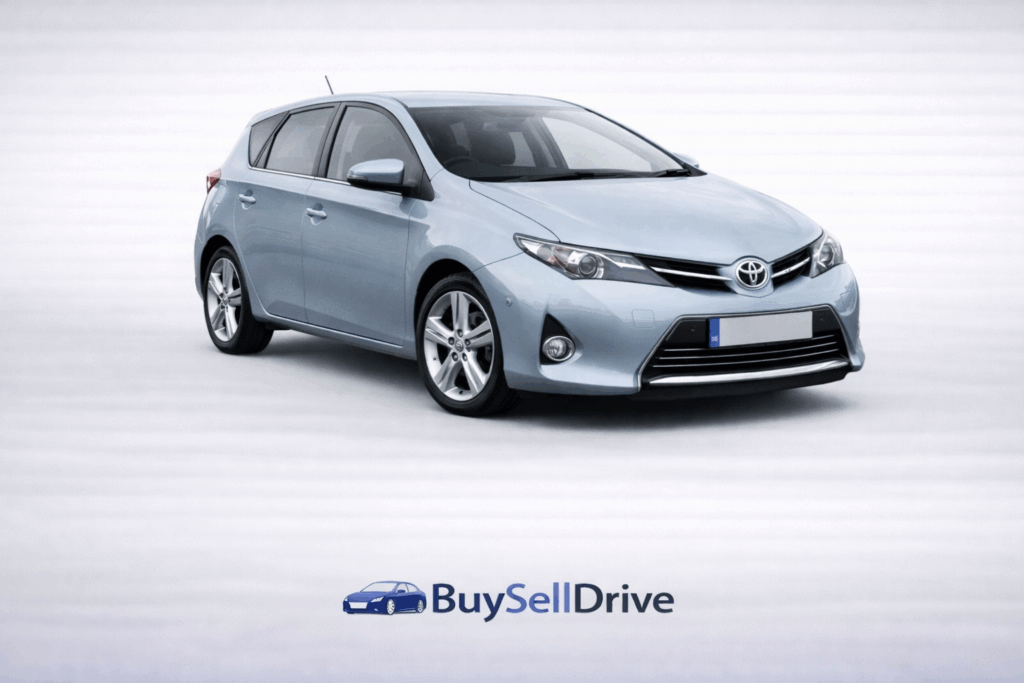
If you want a slightly bigger, more family-friendly hatchback without going overly complex, the Auris can be a strong buy under £5,000. Toyota models are often dependable when serviced properly, and the Auris is no exception when you find a cared-for example.
Best for: small families, commuters, buyers who want a slightly larger hatchback.
What to check: MOT history for suspension/brake advisories; service paperwork; interior wear versus mileage; tyres and brakes (common wear items).
Pros: Typically dependable; practical cabin; good for mixed driving.
Cons: Not the most exciting drive; older examples can feel dated; trim/spec varies a lot.
4) Toyota Yaris (2009–2014)

The Yaris is a popular UK runabout for good reason. If it’s been serviced properly, it’s often a simple, economical car to live with and Toyota reliability is most of the time a genuine advantage in this budget.
Best for: short commutes, city driving, low running costs.
What to check: clutch and gearbox feel; corrosion around arches/sills on older examples; MOT history and mileage consistency.
Pros: Low hassle ownership; generally economical; strong reputation for longevity.
Cons: Can feel basic; motorway refinement isn’t its strongest point; ride quality varies by trim/tyres.
5) Honda Civic (2009–2014)
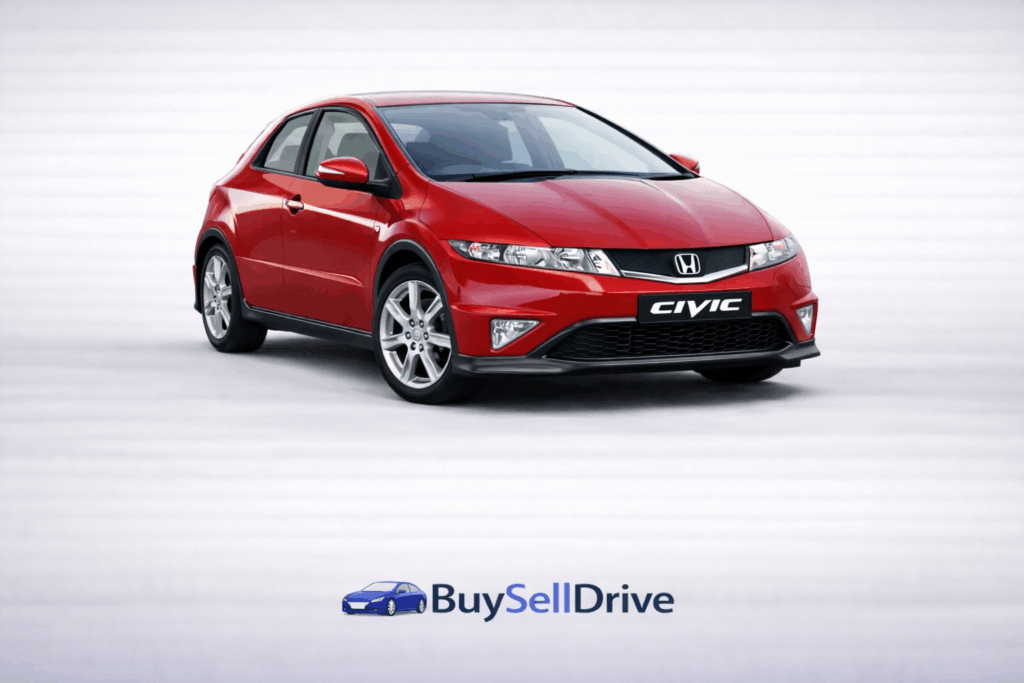
A good Civic is a very capable all-rounder: practical, comfortable enough for longer trips, and often a strong “keep it for years” choice. As with many Japanese brands, a well-maintained Civic commonly holds up well over time.
Best for: mixed driving including motorway; buyers who want space without going too large.
What to check: full service history; clutch/gearbox feel; suspension knocks; tyre wear and alignment (uneven wear can hint at geometry issues).
Pros: Strong all-rounder; practical boot and cabin; often durable long-term.
Cons: Some examples have been driven hard; ride/trim varies; avoid vague history.
6) Ford Fiesta (2010–2016)

The Fiesta is everywhere in the UK, which gives you loads of choice and usually cheap parts and easy servicing. However, this is one to buy carefully: condition varies massively.
Best for: first cars, commuters, drivers who want lots of choice at £5k.
What to check: service history and MOT story; clutch feel; suspension knocks; evidence of regular maintenance.
Important Ford note (wet belt): some Ford petrol engines (notably some EcoBoost variants) use a wet timing belt system. If it isn’t maintained correctly, it can be unreliable and expensive. If you’re looking at one of these, prioritise examples with clear evidence of the correct belt/oil maintenance and avoid anything with vague history.
Pros: Huge availability; generally good to drive; easy to maintain in most areas.
Cons: Some trims get thrashed; history matters more than mileage; check engine type and servicing carefully.
7) Hyundai i10 (2010–2015)

The i10 is an underrated value pick under £5,000. It’s usually sensible, comfortable for the class, and straightforward to own if maintained properly.
Best for: daily driving, value-focused buyers, practical small-car needs.
What to check: service records; clutch and gearbox smoothness; tyres; any warning lights; repeated MOT advisories.
Pros: Often strong value; comfortable enough; generally reliable with routine servicing.
Cons: Not as fun as some alternatives; some interiors feel basic on older trims.
8) Kia Rio (2011–2016)

The Rio is similar to the i10: a practical hatchback that can feel modern for the money. The key is avoiding neglected examples and prioritising service history.
Best for: everyday use; buyers who want a modern feel without stretching the budget.
What to check: service history; MOT advisories repeating; suspension feel; signs of accident repair (panel gaps, mismatched paint).
Pros: Often well-equipped; easy to drive; decent economy.
Cons: Condition varies; ride/handling is fine rather than exciting; history is everything.
9) Ford Focus (2011–2015)

If you want something that feels stable and comfortable on the motorway while still being practical day-to-day, the Focus often makes sense at this price again, assuming you buy the right example.
Best for: commuters, motorway miles, buyers who want a “do everything” hatch.
What to check: service records; suspension components; tyre wear; warning lights; smooth clutch action and consistent power delivery.
Pros: Comfortable and confident on the road; lots of choice; good practicality.
Cons: Some are tired fleet cars; maintenance history matters a lot; check carefully for recurring MOT issues.
10) Skoda Octavia (2009–2014)

If you want maximum space for the money, the Octavia can be a standout under £5,000. Many will be higher mileage, so condition and evidence of upkeep are key.
Best for: families, longer journeys, carrying gear regularly, big boot needs.
What to check: service history; suspension/steering feel; signs of regular maintenance; repeated MOT advisories (especially if it’s done lots of miles).
Pros: Big, useful boot; comfortable for long trips; strong value if maintained properly.
Cons: Many are higher mileage; avoid neglected examples; history and condition matter more than spec.
11) Volkswagen Polo (2010–2015)

A Polo can be a good buy under £5,000 if you focus on condition and history rather than the badge. The best ones feel solid and easy to live with.
Best for: buyers who want a more refined small-car feel; commuting and town use.
What to check: service history; clutch/gear feel; suspension knocks; dashboard warning lights; tyre wear.
Pros: Often feels “grown up” for a small car; easy to drive; strong everyday usability.
Cons: Badge can inflate prices don’t overpay; condition varies; prioritise history over looks.
Quick checklist before you buy a car under £5,000
Before you commit, run through this in order: first confirm the paperwork story makes sense (V5C details, MOT history, service evidence), then inspect the car’s condition (tyres, brakes, warning lights, bodywork), then test drive it properly (cold start if possible, smooth clutch/gearbox, straight-line braking, no overheating), and only then discuss price. If anything feels “off”, it usually is walk away and view another.
FAQs: best used cars under £5,000 in the UK
What is the most reliable car under £5,000 in the UK?
There isn’t one single winner because maintenance matters most. Models like the Honda Jazz, Toyota Yaris and Toyota Auris are often reliable when they’ve been serviced properly.
Is high mileage a deal-breaker under £5,000?
Not always. A higher-mileage car with strong service history and a clean MOT story can be a better buy than a low-mileage car with gaps in maintenance.
Should I buy privately or from a dealer at this budget?
Private sales can be cheaper, but you’ll want to be extra strict on paperwork and test drive. Dealers may offer more structure, but condition still varies—focus on history either way.
What’s the biggest mistake when buying a cheap used car?
Buying on price alone. Under £5,000, the “best” car is usually the one with the best evidence of care (service records, sensible owner, clean MOT history).
Are small cars always cheaper to run?
Often, but not always. Tyres, brakes, timing belt/chain maintenance, and previous neglect can cost more than you expect—so judge the individual car, not just the size.
Want a valuation or looking to sell your car?
If you’re planning to sell your current car before you buy your next one, start with a quick valuation and we’ll come back to you with a fair offer. If you accept, we can usually arrange free collection within 24–48 hours with payment by same-day bank transfer on collection.
See our other guides
- Car Selling Guides
- Car Buying Guides
- Car Value Guides
- Car Ownership Guides
- Vehicle Types
- Emissions & Clean Air Zone Guides